Virtualization is a key component of modern IT infrastructures – from small businesses to global data centers. For a long time, VMware was the industry gold standard. In recent years, however, Proxmox VE (Virtual Environment) has gained significant popularity – primarily due to its open nature and attractive cost structure. But is the switch really worthwhile? In this article, we compare both solutions in key areas and provide guidance for making a decision.
VMware:
Proprietary software with license costs per CPU/host
Additional costs for support and management add-ons (e.g., vCenter)
Particularly expensive for large installations
Proxmox VE:
Open-source license (Debian-based)
Costs are incurred only for optional support and the enterprise repository
No licensing requirement for many core functions
💡 Conclusion: For cost-conscious companies, Proxmox offers a clear advantage – especially for large clusters.
--
Globally widespread, mature enterprise features
High availability (HA), vMotion, DRS, extensive storage integrations
Strong integrations with enterprise ecosystems
KVM hypervisor + LXC container support
Integrated web GUI with backup, HA, clustering, and ZFS support
Flexible storage options (LVM, ZFS, Ceph)
📌 Important: Proxmox has many VMware-like features – only implemented differently in some areas. For many workloads, these features are more than sufficient.
--
VMware:
Professional support, SLAs
Large community & documentation
Proxmox:
Very active community
Professional support optional (subscriptions)
Git-based development and fast releases
💡 Tip: If you rely on SLA support, you can book corresponding packages with Proxmox.
VMware is considered particularly stable and performant in large, heterogeneous environments.
Proxmox uses the proven KVM hypervisor and is technically very efficient – often with low overhead and a very good performance rating.
🔍 Benchmark Conclusion: For standard workloads, there are often no significant differences in practice. In extremely large enterprise environments, VMware can offer advantages – depending on the use case and infrastructure.
Intuitive management interface with vSphere
Limited CLI functionality without additional tools
Unified web GUI for VMs, containers, storage, networking, and backups
Good CLI support and API for automation
📌 Many administrators appreciate the simplicity and transparency of Proxmox, while VMware feels familiar to users with prior experience.
The actual switch is technically possible – but not "at the push of a button."
Key steps include:
Analysis of existing VMware workloads
Planning of resources, storage layouts, and network configuration
Test migrations (e.g., using P2V/V2V or cold cloning)
Ensuring backups and monitoring
👉 A migration project can require time and expertise – but it's worthwhile with a clear objective.
--
| Target group | Recommendation |
| --- | --- |
| Small businesses | ✔️ Proxmox – cost savings & feature set |
| Medium-sized businesses | ✔️ Proxmox / Hybrid |
| Large enterprise environments | ✔️ VMware (if already highly integrated) or Proxmox with support |
| IT teams with an open-source affinity | ✔️ Proxmox |
Switching from VMware to Proxmox can definitely be worthwhile – especially if you:
🔹 want to reduce costs 🔹 prefer open-source tools 🔹 want a flexible, modern virtualization infrastructure 🔹 already have experience with Linux/virtualization
🚀 At the same time, you should plan realistically: Complex enterprise features or existing VMware dependencies may require additional planning.
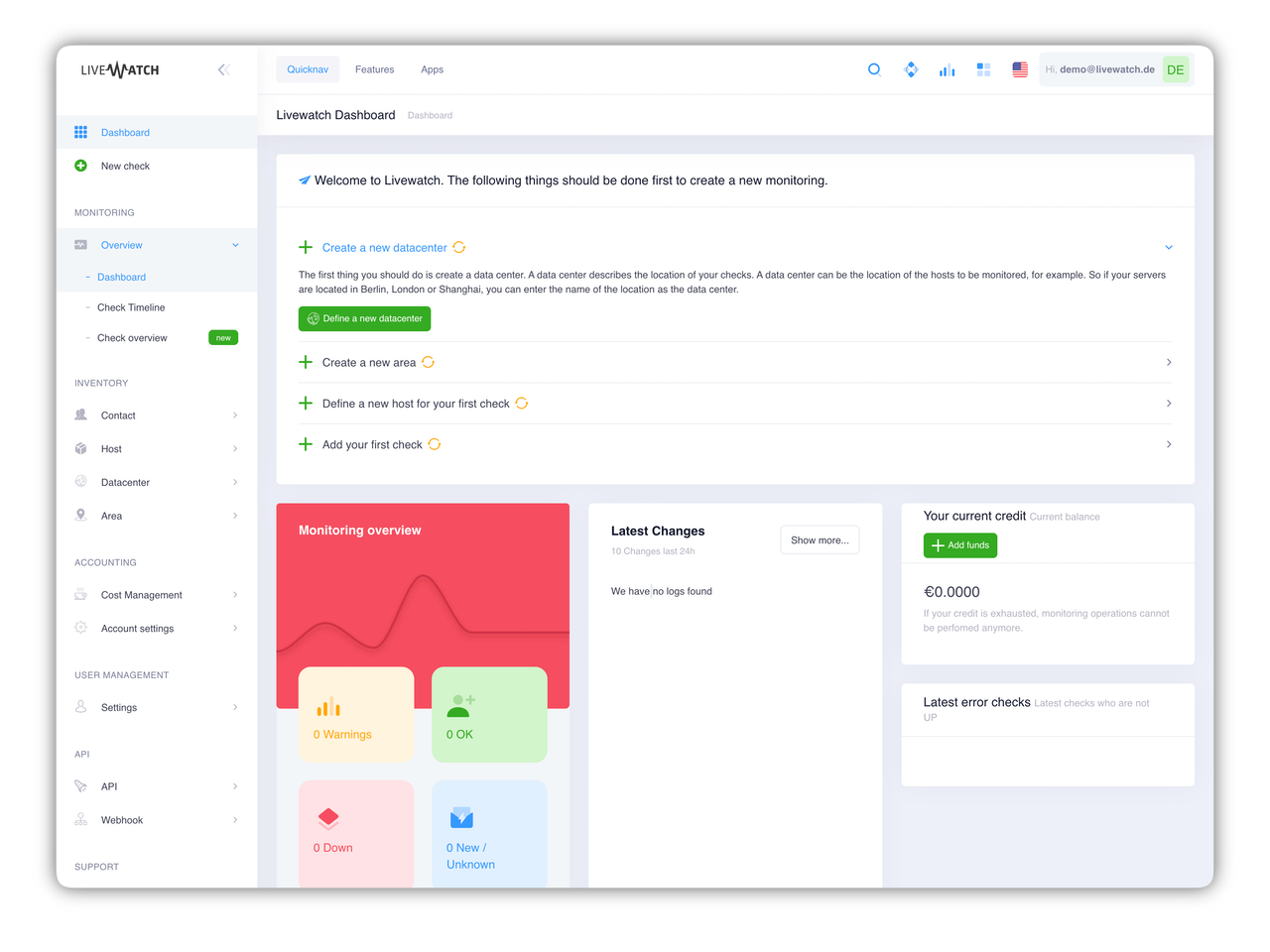
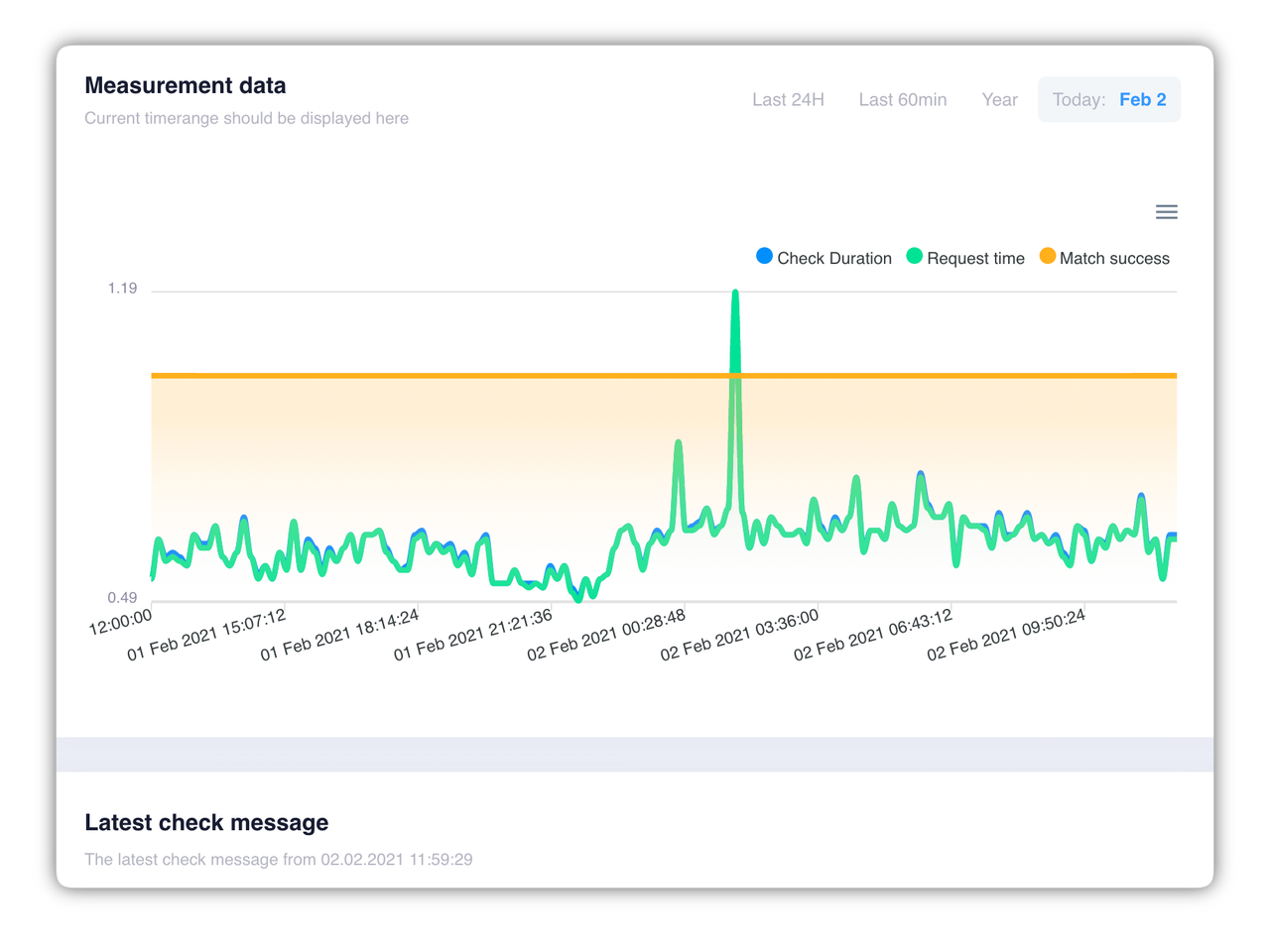
Create, manage, analyze. No problem with our Livewatch Server Monitoring Control Panel. After registration you will get immediate access and you can start the server monitoring of your website.